What To Know Before Buying In La Habra Heights
July 2, 2026
July 2, 2026
Thinking about buying in La Habra Heights? It can be a beautiful place to put down roots, but it is also a market where the details matter. If you are used to more typical tract neighborhoods, this area has a very different feel and a different set of questions to ask before you move forward. This guide will help you understand the big issues to review so you can buy with more clarity and confidence. Let’s dive in.
La Habra Heights is a small general-law city in Los Angeles County near the Orange County border. The city covers 6.2 square miles and had 5,682 residents in the 2020 Census. Official city materials also report 1,880 housing units, with 93.2% owner occupancy.
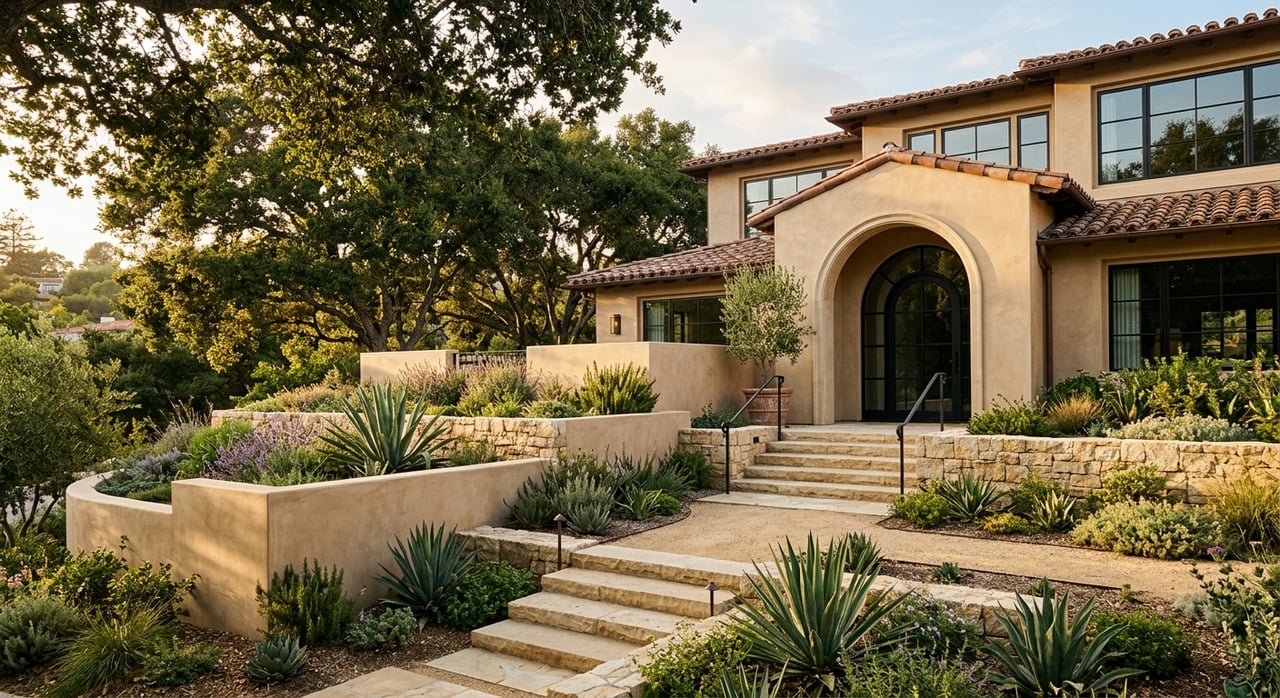
What makes the area stand out is its semi-rural hillside character. City materials describe hillside estates, grasslands, oak woodlands, avocado and citrus groves, riding trails, and panoramic views. Parcels are generally on minimum one-acre lots, which creates more space and privacy than you may find in many nearby communities.
That setting is part of the appeal, but it also affects how you should evaluate a property. La Habra Heights is not just about square footage or finishes inside the home. Road conditions, slope, utilities, and site layout can all shape your ownership experience.
In many neighborhoods, buyers focus on layout, updates, and comparable sales. In La Habra Heights, you also need to think about the land itself and how the property functions day to day. That includes access, drainage, utility setup, and how the parcel has been maintained.
The city notes narrow, winding roads and a virtually non-existent sewer and storm-drain system. Those features help preserve the area’s rural feel, but they also make due diligence more important. A property that looks similar to another from the street may have very different site conditions once you dig into the details.
This is why early investigation matters. Before you remove contingencies, you want a clear picture of the parcel, not just the house.
One of the most important things to know is that the majority of La Habra Heights is within a Very High Fire Hazard Severity Zone, according to city housing materials. CAL FIRE explains that these maps are based on factors like fuel, slope, terrain, weather, fire history, flame length, and ember movement. They describe hazard, not a guarantee that a fire will happen.
For you as a buyer, that means wildfire risk should be reviewed on a property-specific basis. The exact parcel location matters, and so do the site conditions around the home. You should verify the parcel on the current fire-hazard viewer and confirm local wildfire code requirements with the local building official.
The city also requires year-round weed abatement, roadway vegetation clearances, visible address markers, and annual parcel inspections. If a property is not in compliance, it can face repeated inspections, fees, and abatement. Vegetation near roads must also be kept clear enough for line of sight and emergency access, including 13 feet 6 inches of overhead clearance for branches crossing the roadway.
La Habra Heights sits in the western Puente Hills, and city materials describe several natural-hazard concerns that buyers should take seriously. These include steep slide-susceptible slopes, possible liquefaction, and shrink-swell or erosive soils. The Whittier Fault also crosses the city.
The same materials note that much of the city is in FEMA Zone D, with localized flood hazards in valleys and limited drainage infrastructure. That does not mean every parcel has the same issue, but it does mean broad assumptions are risky. Conditions can vary significantly from one lot to the next.
Because of this, drainage, retaining walls, and slope stability should be treated as parcel-specific due diligence items. If reports are available for the property, review them carefully. If they are not, ask whether additional inspections or expert review make sense before moving ahead.
La Habra Heights is not a standard sewered tract market, and that can catch buyers off guard. The city states that sewer and storm-drain systems are virtually non-existent in much of the area. Some homes may be on septic, some may be connected to sewer, and some situations may be more complex.
If a property is on septic, the city says remodeling requires additional review from Los Angeles County Public Health Environmental Health. The purpose is to protect the existing system and preserve room for a replacement dispersal area. That can affect your future plans if you hope to expand or significantly remodel the home.
The city also states that if public sewer is within 200 feet of the property, a permit will not be issued for septic repairs, and the owner must connect to sewer when the septic system fails. The Los Angeles County Sanitation Districts list La Habra Heights in District No. 18, which is another reason to confirm service conditions early in escrow.
Water service in La Habra Heights is provided by the La Habra Heights County Water District. The district serves about 1,983 meter connections and about 5,560 people across roughly 6 square miles. Its main source is Central Basin groundwater, supplemented by imported Metropolitan Water District supply.
For a buyer, the practical takeaway is simple. Confirm where the water meter is located, how the property is served, and whether anything about the site could affect future improvements. It is also smart to understand how water access fits into the broader utility picture for the property.
If you are considering additions, a guest space, a major remodel, or other changes, do not assume the process will mirror other nearby cities. The city’s Planning Department says the building process begins there. New structures or additions require Planning Department approval under the General Plan and zoning code.
That makes early planning conversations especially helpful. Even if a home works well today, you may be buying with future changes in mind. Knowing what approvals may be needed can help you decide whether a property truly fits your long-term goals.
La Habra Heights often rewards buyers who do more homework up front. A few targeted questions can help you avoid surprises later.
Buying in La Habra Heights is often less about rushing and more about asking the right questions in the right order. The area offers space, views, and a one-of-a-kind setting, but it also asks buyers to pay closer attention to land use, hazard conditions, and infrastructure details.
That is where experienced local guidance can make a real difference. When you understand how to spot the key issues early, you can make stronger decisions and move forward with fewer surprises. In a market like this, preparation is not just helpful. It is part of buying wisely.
If you are considering a move in La Habra Heights, Lisa Ancich can help you navigate the details with clear guidance, local insight, and a steady approach from start to finish.
Stay up to date on the latest real estate trends.

Get assistance in determining the current property value, crafting a competitive offer, writing and negotiating a contract, and much more. Contact me today.
GET IN TOUCH TO LEARN MORE
LISA ANCICH | CA DRE# 01261750
16571 WHITTIER BLVD WHITTIER, CA 90603