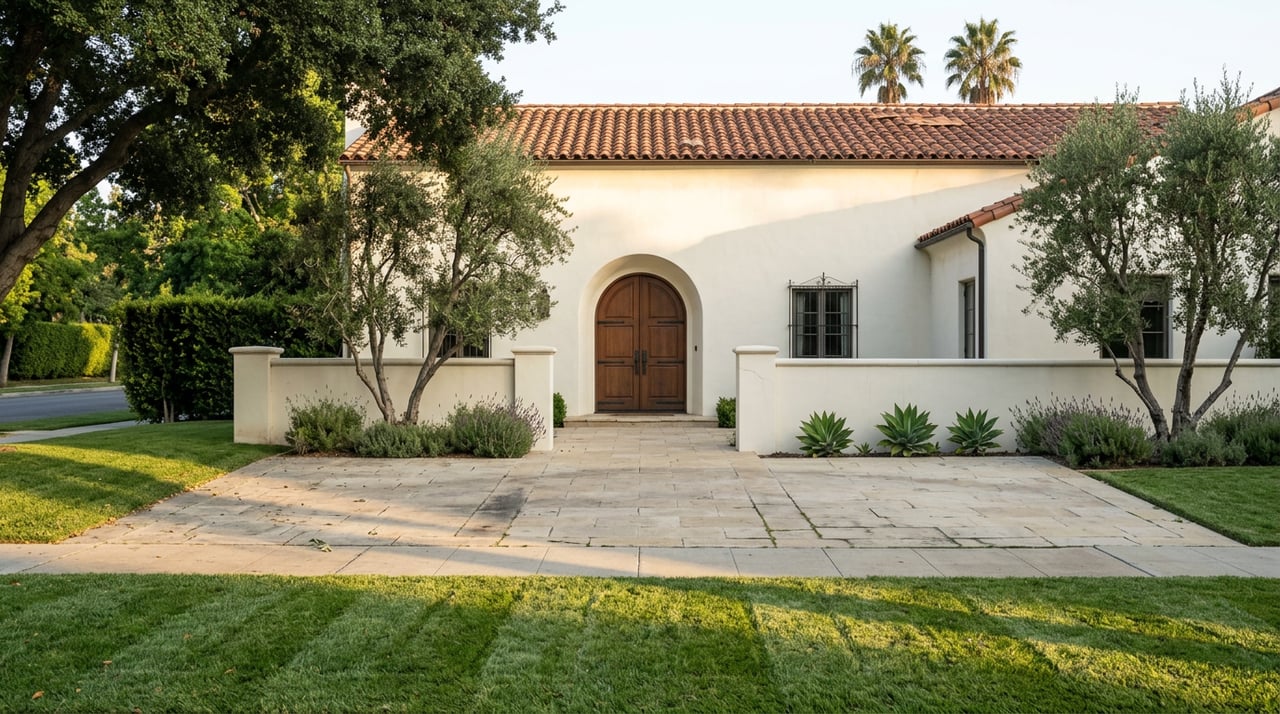
Cerritos Home Prices and Water Rates: What Buyers Should Know
September 10, 2026
September 10, 2026
The water-rate increase is the largest Cerritos has approved in decades. For buyers comparing Cerritos with nearby cities, understanding the city’s funding mix can help put rising water and sewer rates in context.
Zillow's own home value tracker, using the same methodology across neighboring cities this summer, puts Cerritos at a typical home value of roughly $990,500. Cypress sits at about $961,700. Artesia comes in noticeably lower at around $758,600. La Palma runs slightly ahead of Cerritos at about $1,058,000. So the story isn't that Cerritos is simply the priciest address on the map. It's close to La Palma, meaningfully ahead of Cypress, and well ahead of Artesia.
The more interesting number sits one layer down. Recent actual sales tell a hotter story than that broad index suggests. Over the three months ending in May 2026, Cerritos homes sold for a median of $1.2 million, up 10.6 percent year over year, with an average of four competing offers and a 26-day trip to closing, according to Redfin. Condos moved differently: a Q1 2026 median of $535,000, flat year over year, per PropertyShark, a reminder that the single-family premium and the condo market in Cerritos are not the same conversation.
That gap between the broad value index and the sharper recent-sale number matters. It means the homes actually changing hands right now, the ones a buyer today is bidding against, are commanding more of a premium than the city's overall housing stock reflects. Whatever is pulling that premium higher is worth understanding before you decide it's worth paying.
Cerritos has spent decades funding a level of civic amenity, its library, its performing arts center, its parks, that punches well above its size, without leaning on the tool most California cities reach for first. The city has said plainly that it does not have its own local sales tax add-on, unlike many of its neighbors, and that it collects relatively low property tax revenue compared to other cities, a legacy of how Proposition 13 locked in assessed values back in 1978.
What filled the gap instead was the Cerritos Auto Square. Sales tax makes up close to half of the city's General Fund revenue and roughly a third of overall city revenue, and a large share of that comes from dealerships including AutoNation Toyota Cerritos, Cerritos Acura, Cerritos Nissan Infiniti, Kia of Cerritos, Lexus of Cerritos, Jaguar Land Rover Cerritos, Penske Buick GMC, Penske Chevrolet, and the Norm Reeves Honda, Ford, and Hyundai stores. For every dollar spent at those dealerships, the city collects a penny, and most of the people writing those checks live somewhere else. This revenue has helped fund city services alongside the relatively low property-tax revenue the city describes.
That revenue depends on people continuing to buy cars in Cerritos at the pace they used to, and that pace has slowed. The city's proposed Fiscal Year 2026-27 budget flags fourth-quarter sales tax receipts down 2.2 percent year over year, driven largely by slowing automobile sales, and projects a $10.6 million gap between $143 million in revenue and $153 million in spending. Cerritos isn't an outlier here. Statewide, California's new vehicle market fell 7.7 percent through the first half of 2026, and Los Angeles and Orange counties posted one of the steepest regional declines in the state at 9 percent, according to the California New Car Dealers Association's Q2 2026 outlook. Layer on the EV incentive cliff, where the expiration of the federal tax credit helped drive a 27 percent year-over-year drop in nationwide EV sales in the first quarter of 2026, and you have a dealership-heavy revenue base absorbing pressure from multiple directions at once.
The city proposed spending cuts and considered a new revenue source. A hiring freeze is expected to save about $1.7 million this fiscal year. Deferred maintenance on facilities and landscaping is projected to save another $3.7 million. Cerritos also floated a one percent Transactions and Use Tax, its own version of the local sales tax it has historically avoided, estimated to bring in roughly $19 million a year, with more than half coming from non-residents. In June, the council walked away from putting it to voters and instead adopted a budget that assumes no new revenue at all.
As the city addressed its budget pressures, it turned to the one enterprise fund it could adjust without a public vote on new taxes: water and sewer rates. For years, the city subsidized those utility funds out of the General Fund to keep resident bills unusually low. That subsidy is being unwound.
On January 26, 2026, the council approved a five-year rate schedule running through Fiscal Year 2029-30. A representative residential bi-monthly bill rose from about $65.11 to about $114.62 in year one alone, an increase of roughly 76 percent, or about $25 a month, with smaller increases scheduled in the years after.
| Effective date | What changes |
|---|---|
| February 1, 2026 | New rates take effect; representative bi-monthly bill rises from about $65.11 to about $114.62 |
| January 1, 2027 (originally) | Next scheduled annual increase |
| July 1, 2027 (revised) | Council delayed the 2027 increase to this date amid the backlash |
| January 1, 2028 | Scheduled annual increase |
| January 1, 2029 | Scheduled annual increase |
| January 1, 2030 | Final scheduled increase in the current five-year plan |
More than 6,400 written protests were filed against the increase under the state's Proposition 218 process, though only about 4,800 were ultimately validated, representing less than a third of the city's eligible households. The city's own position has been that even after the first increase, a typical Cerritos water bill remained below most neighboring agencies, and that the money is needed for aging infrastructure, including the recent failure of a well the city refers to as Well C-4.
The rate fight didn't stay confined to public comment periods. It grew into a recall campaign against Mayor Frank Aurelio Yokoyama and Mayor Pro Tem Lynda P. Johnson, the two council members most associated with approving the increases. Organizers needed 7,279 valid signatures to force a recall election against each. When petitions were turned in on August 27, 2026, they carried 5,963 signatures against Johnson and 5,819 against Yokoyama, short by 1,316 and 1,460 respectively. The Cerritos City Clerk declared both petitions insufficient before verification even began.
The petitions did not trigger an election, but they did not settle the broader rate debate.
That result doesn't mean the underlying frustration has gone away. A separate initiative to repeal the rate structure itself, requiring the city to redo its cost-of-service analysis, was filed earlier in the year through a group called Concerned Citizens of Cerritos, and campaign finance filings show that group funding both the repeal effort and the recall campaign. For a buyer, the practical takeaway isn't which side of that fight is right. It's that future rate decisions remain an open question in city government.
None of this means Cerritos stops being a place people want to live. It means the arithmetic behind the premium looks different than it did two years ago. A buyer comparing a Cerritos listing to something similar in Cypress or Artesia should ask a few concrete questions before finishing the comparison:
None of this is a reason to avoid Cerritos. It's a reason to compare the full monthly cost, not just the sale price, when weighing a Cerritos home against other options.
Will Cerritos water and sewer rates keep rising after this year? Yes. The city's own posted schedule runs through January 1, 2030, with the 2027 increase already pushed back once, from January to July of that year.
Did the recall change anything at City Hall? Not directly. Both recall petitions were declared insufficient in August 2026 before signature verification even started, so the council that approved the rate increases remains in place.
Is the Auto Square in real trouble? The city's own budget documents point to softening sales tax receipts tied to slowing auto sales, in line with a broader statewide decline in new vehicle registrations through 2026. Whether that continues or levels off is still an open question, not a settled one.
If you're weighing a move into Cerritos against a home in Cypress, La Palma, or Artesia, the sale price is only part of the comparison. The city's own budget and rate documents are public, and reading them alongside the comps tells you more than the listing photos ever will. Lisa Ancich has spent decades working these exact streets and can walk you through what a specific property's true monthly cost looks like before you write an offer. Let's Connect.
This article is general information, not legal, tax or financial advice. Consult a qualified professional about your situation.
Stay up to date on the latest real estate trends.
Get assistance in determining the current property value, crafting a competitive offer, writing and negotiating a contract, and much more. Contact me today.
GET IN TOUCH TO LEARN MORE
LISA ANCICH | CA DRE# 01261750
16571 WHITTIER BLVD WHITTIER, CA 90603