The One Thing That Still Slows Down Fullerton's Fastest Home Sales
August 13, 2026
August 13, 2026
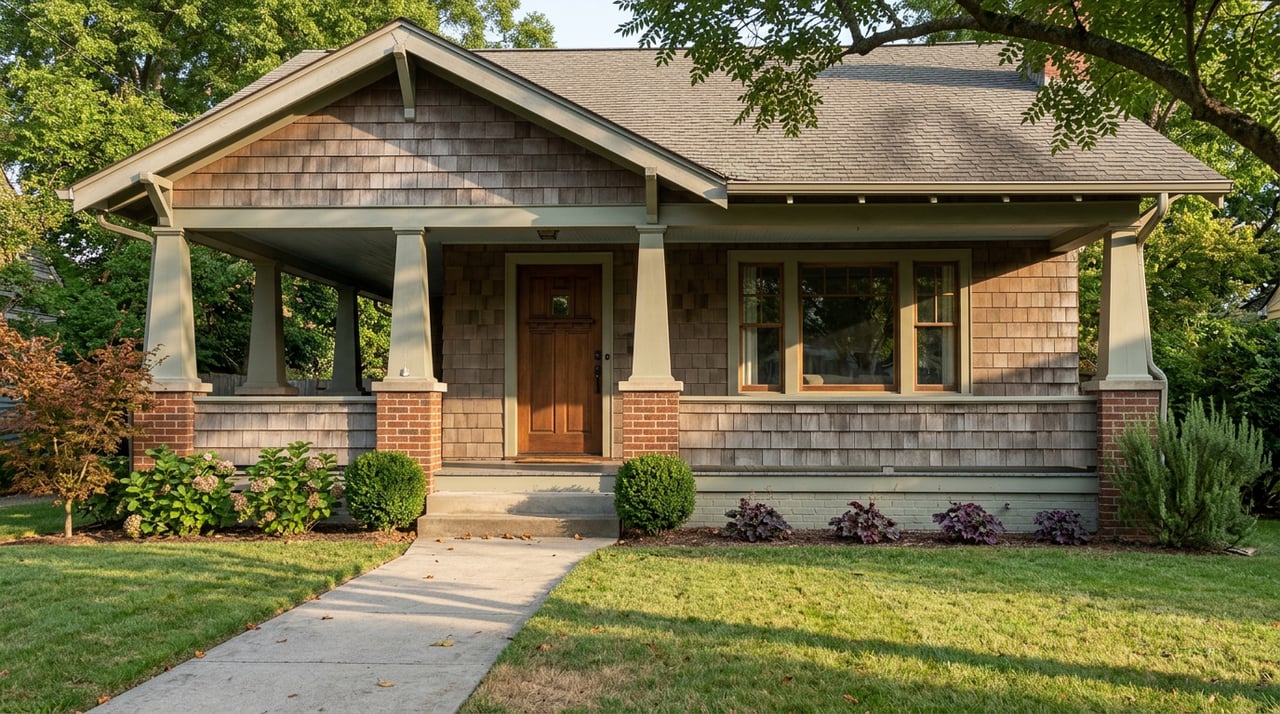
A Craftsman bungalow in College Park goes on the market on a Thursday. By Sunday there are four offers on the table, two of them over asking. The seller picks a buyer, everyone signs, and the calendar says close of escrow in under five weeks. That is the version of Fullerton's market most people picture right now, and for a lot of newer housing stock, it is accurate.
Then the buyer's inspector gets into the crawl space of a home built in 1928, and the pace changes. Not because the house is falling apart. Because the plumbing behind the walls, the wiring in the attic, and the disclosure paperwork all carry a different set of rules than the 1980s tract home two neighborhoods over. In a market this fast, that difference is exactly where deals lose their momentum.
Fullerton's market is genuinely competitive. Over the three months ending May 2026, homes sold for a median of $1.0 million, buyers made an average of four offers per property, and homes went pending in around 34 days. Zoom into March 2026 specifically and the picture sharpens: homes were moving in about 28 days, inventory sat at just 1.6 months of supply, and roughly half of all sales closed above the original asking price.
Here is the detail that matters most for anyone selling an older home: that appreciation is not spread evenly. In the first quarter of 2026, single-family house prices in Fullerton rose 7.3 percent year over year, while condo prices stayed flat. The competition, the multiple offers, and the price growth are concentrated almost entirely in the single-family segment, which is exactly where Fullerton's oldest, most character-heavy inventory lives.
| Metric | Fullerton snapshot |
|---|---|
| Median sale price | $1.0M (three months ending May 2026) |
| Days on market | 28 to 34 days |
| Homes closing above asking | Roughly half (March 2026) |
| Months of supply | 1.6 months (March 2026) |
| Single-family price growth, year over year | +7.3% (Q1 2026) |
| Condo price growth, year over year | Flat (Q1 2026) |
The common read on numbers like these is that speed favors the seller. Fewer days on market, more competing offers, less negotiating leverage for the buyer. That read holds up right until a fast timeline collides with a slow-moving disclosure requirement, and on Fullerton's older housing stock, that collision is common enough to plan around.
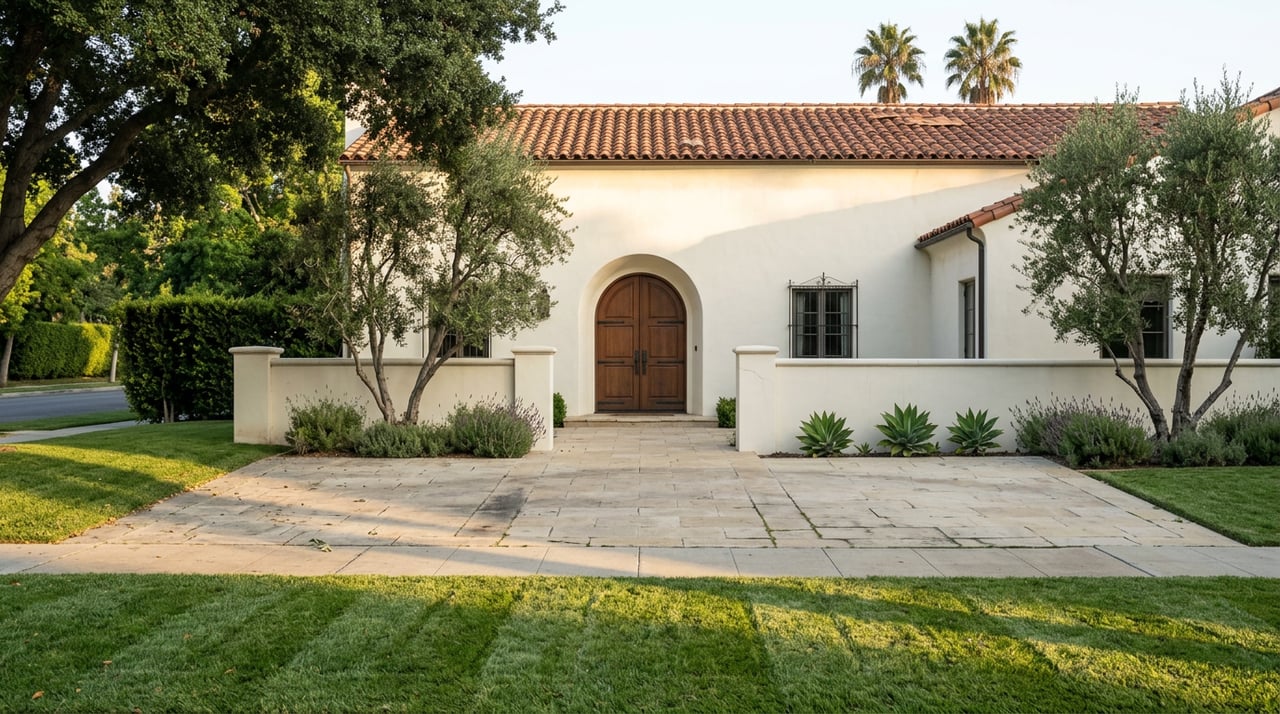
Fullerton's older neighborhoods carry a specific construction profile. The historic downtown and College Park hold craftsman bungalows and Spanish Colonial revival homes largely built in the 1910s through the 1940s, and the Muckenthaler area carries its own share of vintage craftsman homes. Mid-century ranch homes spread through the city's broader suburban tracts, while the hillside properties of Raymond Hills and Fullerton Hills add their own slope-drainage complexity on top of whatever era they were built in. Across this range of construction, the oldest homes tend to share the same handful of aging systems: original or first-generation galvanized steel plumbing, raised wood-frame foundation crawl spaces, and, in the very oldest properties, knob-and-tube or early copper wiring that predates modern code.
Galvanized pipe is the one that catches sellers off guard most often, because it fails from the inside out. The pipe looks fine from the outside while corrosion narrows the interior diameter, and the leaks it eventually produces happen behind walls where nobody sees them until a buyer's inspector goes looking. Local plumbing contractors describe this as a near-universal issue in Fullerton homes built before the 1970s still running original steel lines, since that material was engineered for roughly a 60-year service life and much of the city's older stock is now well past it.
None of this means an older Fullerton home is a bad investment. It means the inspection findings that show up in escrow on these properties are more predictable than they look, and a seller who already knows what an inspector is likely to find is negotiating from a position of information, not surprise.
California gives sellers less room to improvise than most states. Under Civil Code Section 1102, sellers of one-to-four unit residential property must personally complete a Transfer Disclosure Statement detailing known material defects, and that requirement applies even to as-is sales. Agents cannot fill it out on a seller's behalf.
Alongside the TDS, California is the only state in the country that requires a separate Natural Hazard Disclosure Statement, covering six specific zones tied to flood, fire, and seismic risk, as set out in Civil Code Section 1103.2.
Here is where the timing actually bites. According to DocJacket's California disclosure requirements, both the TDS and the NHD are required to reach the buyer before contract acceptance. If they arrive after the buyer has already signed, the buyer gets a window of three days, or five if the documents were mailed, to walk away from the deal entirely. In a slower market, a few days of exposure barely registers. In a market where homes are closing in under a month with four competing offers on the table, a disclosure delivered late reopens the exact window a fast-moving seller was counting on being closed.
The Fullerton Observer reported that Fullerton recognizes 16 residential Historic Districts, 10 of which carry the additional designation of Residential Preservation Zone. That designation comes with specific guidelines governing construction and exterior improvements within the district. Not every old house in Fullerton falls inside one of these zones, and the only way to know for certain is to contact the city's Planning Division directly, since the boundaries do not always match assumptions based on a home's age or style.
Layered on top of that is the Mills Act, a state program the city adopted on April 21, 2020, according to Fullerton Heritage's Mills Act Program Guidelines. It lets owners of qualifying historic properties trade a commitment to restore and maintain the home for a reduction in property taxes. The Fullerton Observer reported that Fullerton caps the program at 10 new contracts a year and 50 total citywide, with a $1,520 application fee and an $85 annual fee after approval. The City of Fullerton's Mills Act program guidelines say eligible properties must carry an assessed value under $800,000, and the work covered has to be exterior or building-systems related. A kitchen remodel does not qualify.
The program is genuinely underused. The Fullerton Observer reported that only three Mills Act applications were submitted across Fullerton in 2025, in a city with 16 historic districts to draw from. The Fullerton Observer reported on two approvals that give a sense of what qualifies. A 1916 craftsman on West Brookdale Place and a home built in the style developer Harry G. Maxwell mastered in the 1920s both passed the city's architectural integrity review before their contracts went through in June 2025. The report quoted city planning staff describing the Brookdale Place property as:
"continues to maintain its architectural integrity...and remains a qualified historic property"
A home with an active Mills Act contract carries real value in the form of lower property taxes, and a buyer who does not understand the arrangement may ask harder questions later in escrow, not earlier.
Put the pieces together and the pattern is not that Fullerton's older homes are harder to sell. It is that the same fast market rewarding sellers with multiple offers and quick closes has almost no tolerance for paperwork or inspection findings that surface after acceptance. A galvanized pipe leak discovered on day 18 of a 28-day escrow, a TDS delivered a week late, a Residential Preservation Zone the buyer did not know applied until their contractor called for permits: each of these turns a fast sale into a stalled one, right when speed was supposed to be the advantage.
The fix is not complicated. It is pre-listing inspection, disclosure paperwork completed before the home hits the market rather than after an offer lands, and a clear-eyed explanation of anything tied to Mills Act status or preservation zoning before a buyer's agent has to ask. This is the same logic behind Compass Concierge, which exists to get a home's condition and presentation sorted out before it competes for offers, not during the window when a buyer's inspector is finding out for everyone.
If you own an older home in Fullerton, particularly in College Park, downtown, Muckenthaler, or the hillside neighborhoods, the market conditions right now are genuinely in your favor. What determines whether that favor holds through closing is how much of the paperwork and inspection groundwork gets done before the sign goes in the yard, not after.
Is my old house automatically inside a Residential Preservation Zone? No. Only 10 of Fullerton's 16 historic districts carry that specific designation, and the boundaries are not always intuitive based on a home's construction date alone. Fullerton's Planning Division can confirm a specific address.
What happens if I hand over my disclosure paperwork after my buyer has already signed? The buyer gains a legal right to cancel the contract within three days, or five if the documents were mailed. In a market where homes are going pending in under a month, that window is long enough to lose momentum a seller was counting on.
Selling a home with this much history takes more than a for-sale sign and a fast market. If you are weighing what your older Fullerton home needs before it goes live, Lisa Ancich can walk through the specific disclosure and prep steps that apply to your address. Let's Connect.
This article is general information, not legal, tax or financial advice. Consult a qualified professional about your situation.
Stay up to date on the latest real estate trends.
Get assistance in determining the current property value, crafting a competitive offer, writing and negotiating a contract, and much more. Contact me today.
GET IN TOUCH TO LEARN MORE

LISA ANCICH | CA DRE# 01261750
16571 WHITTIER BLVD WHITTIER, CA 90603