Old Towne Orange Or Nearby Suburbs: Finding Your Fit
May 21, 2026
May 21, 2026
Are you drawn to the vintage charm of Old Towne Orange, but wondering if a nearby suburb might fit your day-to-day life better? That is a common question, especially when you are trying to balance character, convenience, commute, and budget in a high-cost Orange County market. The good news is that there is no one-size-fits-all answer, and understanding the tradeoffs can make your decision much clearer. Let’s dive in.
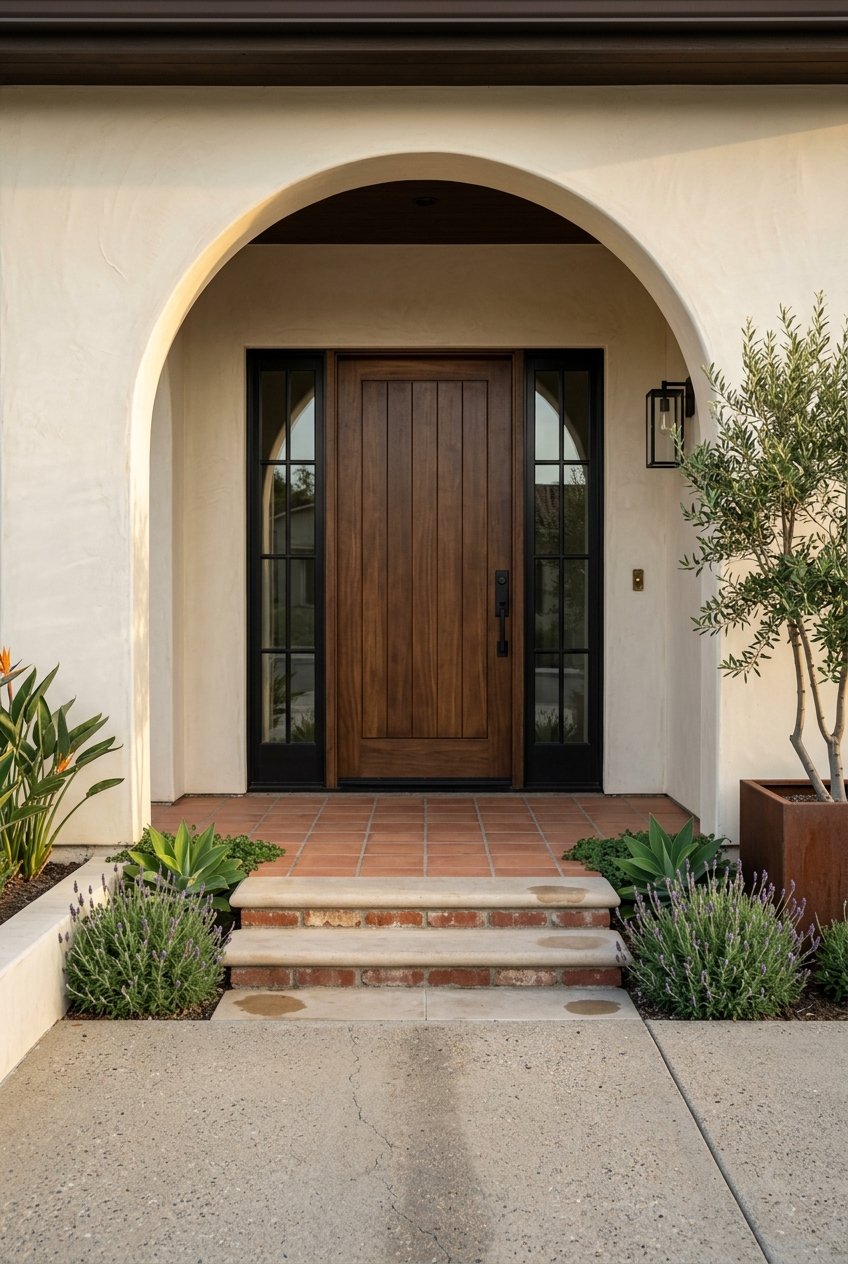
Old Towne Orange offers a setting that feels different from many surrounding communities. The City of Orange says it includes the largest nationally registered historic district in California, with some of the earliest buildings dating back to the 1880s. It also serves as a civic and cultural hub, with Chapman University, Orange City Hall, the Orange Public Library & History Center, and direct access to the Orange Metrolink station and major freeways.
For many buyers, that translates into a lifestyle with more architectural character and a stronger sense of place. You are not just choosing a house. You are choosing a neighborhood where history shapes the look, feel, and daily experience of the area.
The biggest practical difference in Old Towne is that ownership comes with added rules for exterior changes. The City requires exterior work in Old Towne to follow Historic Preservation Design Standards based on the Secretary of the Interior’s Standards. That means updates to the outside of your home may involve more review, more planning, and a different timeline than you would expect in a more typical neighborhood.
For some buyers, that is a worthwhile tradeoff. If you value historic architecture and want to help preserve it, those standards may feel like a benefit rather than a burden. If you want total flexibility to change a home’s exterior look, you may prefer another area.
There can also be a financial upside in some cases. The City says qualified historic properties may be eligible for the Mills Act program, which is a voluntary tax incentive tied to a Historic Property Preservation Agreement. Eligibility depends on the property and the agreement, so it is something to explore carefully if you are considering a historic home.
Old Towne has strong transportation access for a historic district. OCTA says the Orange Transportation Center sits in the heart of Old Towne and is served by Metrolink and OCTA bus routes, with more than 600 parking spaces, bike lockers, EV charging, and solar features. The City also highlights access from the 22, 57, 55, and 5 freeways.
That mix can be a major plus if you want a walkable core with regional transit nearby. You may find it easier to enjoy local shops, civic destinations, and transit connections without relying on your car for every trip.
At the same time, parking is more actively managed than in many suburban neighborhoods. In 2025, the City adopted a paid parking program in the Orange Plaza area, and residents in the paid Glassell and Chapman corridor can obtain permits for free parking in City lots. So if easy, casual street parking is high on your priority list, this is worth weighing early.
If Old Towne feels appealing but not quite right, you are not limited to one alternative. Orange itself includes a wide range of residential and mixed-use settings. According to the City’s General Plan framework, areas such as the South Main Street Corridor reflect a more urban, higher-intensity environment with medical, commercial, and residential uses.
That is important because Orange is not just historic district versus generic suburb. Within the city, you can find preservation-oriented areas, more contemporary settings, and mixed-use environments that create very different lifestyles.
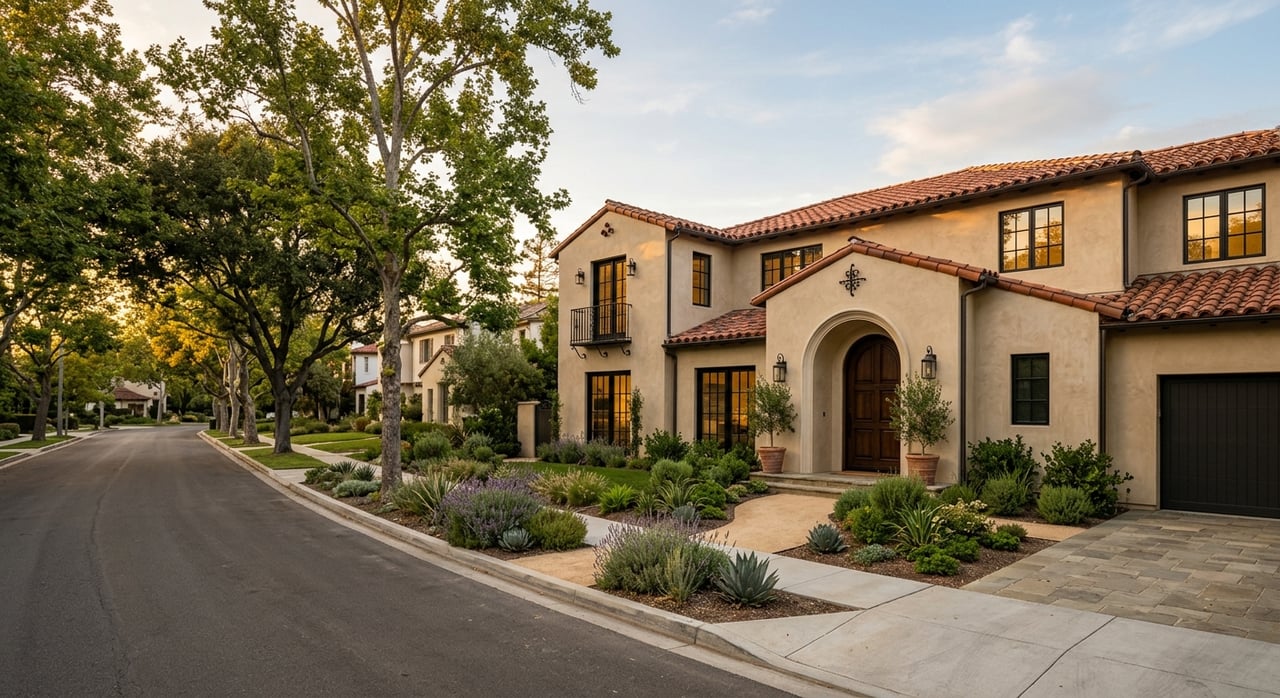
Nearby cities also broaden your options. Irvine describes itself as one of the nation’s largest planned urban communities, with a General Plan adopted in 2024 to guide development across planning areas. Tustin Legacy is a 1,600-acre specific-plan project that blends residential and commercial uses with parks, recreation, and educational institutions. Anaheim also has 11 approved specific plans that address land use, circulation, infrastructure, zoning, and design guidelines.
For you as a buyer, these planning models matter because they usually create a more structured and newer-feeling environment. If you prefer predictable neighborhood layouts, more standardized development patterns, or a less preservation-focused ownership experience, these areas may feel more comfortable.
The choice often comes down to how you want daily life to feel. Old Towne Orange tends to appeal to buyers who want historic authenticity, downtown walkability, and a civic-center atmosphere. Nearby planned areas may appeal more if you want a newer setting or a framework shaped more by long-range planning than by historic preservation rules.
Neither approach is automatically better. It really depends on whether you want your home and neighborhood to feel unique and historic, or more streamlined and contemporary.
Here is a simple way to think about it:
Price is another major part of the decision. Recent Census data places the median value of owner-occupied housing units at $945,800 in Orange, $950,400 in Tustin, $831,200 in Anaheim, $713,000 in Santa Ana, and $1,191,500 in Irvine. These are citywide figures, so they do not replace neighborhood-level pricing, but they do offer a useful starting point.
The bigger takeaway is that you are shopping within a wide Orange County pricing landscape. Old Towne Orange is part of a high-cost market, but nearby cities span a broader range depending on housing stock and planning style. If budget is a major deciding factor, it helps to compare not only price, but also what kind of lifestyle and ownership experience comes with that price point.
Commute time can shape your daily routine just as much as the home itself. Census Bureau figures show an average commute of 25.8 minutes in Orange, compared with 22.8 minutes in Tustin, 24.5 minutes in Santa Ana, 24.7 minutes in Irvine, and 27.4 minutes in Anaheim. These numbers are broad averages, not predictions for your exact route.
Still, they suggest that Orange sits near the middle of the regional range. That can be helpful if you are trying to balance access, location, and lifestyle without moving too far in either direction on commute expectations.
Before you decide between Old Towne Orange and a nearby suburb, it helps to get clear on your priorities. A beautiful home in the wrong setting can feel frustrating over time, while the right fit can make daily life much easier.
Ask yourself:
These questions can quickly reveal what matters most to you. Once those priorities are clear, the right location often becomes much easier to spot.
The best choice is usually not about picking the “best” neighborhood on paper. It is about matching the area to your lifestyle, priorities, and comfort with the tradeoffs that come with each setting. Old Towne Orange offers history, walkability, and a distinctive ownership experience, while nearby suburbs and planned communities can offer a more predictable framework and a wider spread of price points.
If you are weighing Orange against nearby communities, a local comparison can save you time and second-guessing. Lisa Ancich can help you sort through the options and focus on the areas that truly fit how you want to live.
Stay up to date on the latest real estate trends.
Get assistance in determining the current property value, crafting a competitive offer, writing and negotiating a contract, and much more. Contact me today.
GET IN TOUCH TO LEARN MORE
LISA ANCICH | CA DRE# 01261750
16571 WHITTIER BLVD WHITTIER, CA 90603