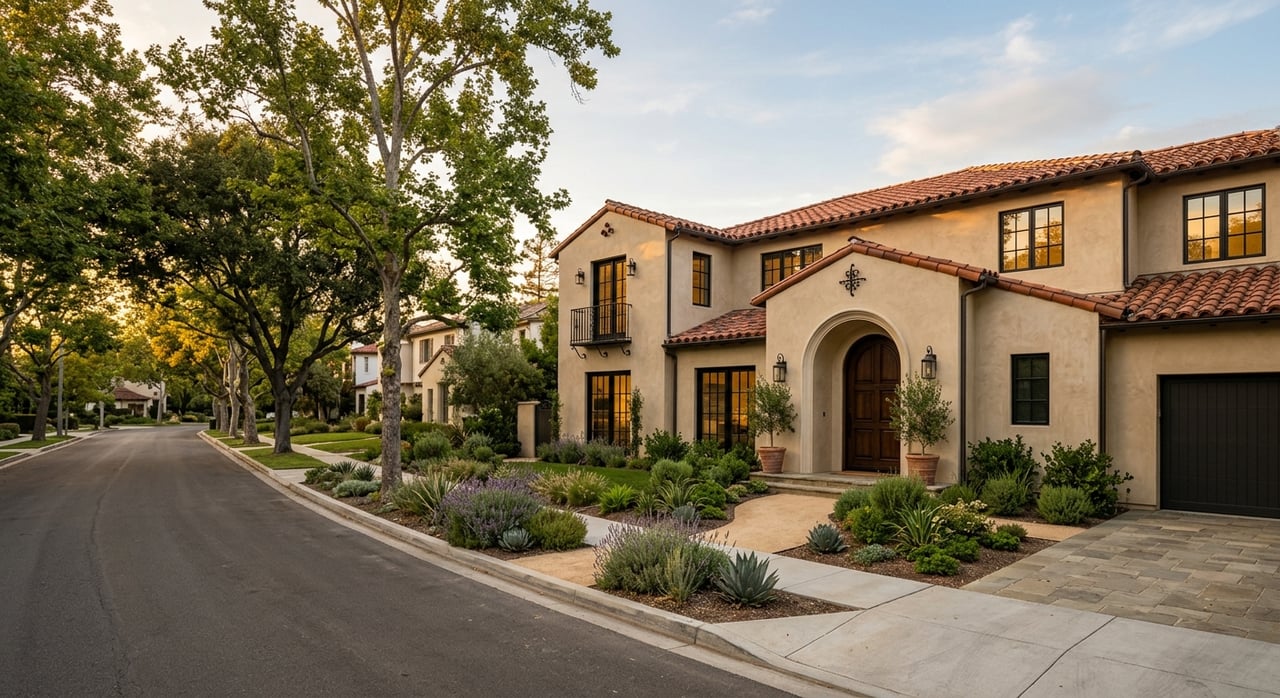
A Local’s Guide To Living Near Downtown Fullerton
May 14, 2026
May 14, 2026
Looking for a neighborhood with more energy than a typical suburban pocket? Living near Downtown Fullerton gives you a different kind of daily rhythm, with historic streets, local events, dining, transit access, and a mix of housing types all close together. If you are thinking about buying near the city core, this guide will help you understand what the area feels like, what the tradeoffs are, and what to pay attention to before you make a move. Let’s dive in.
Downtown Fullerton is more than a nightlife district. The City of Fullerton describes it as a historic mixed-use core with more than 70 historic buildings, sidewalk cafes, specialty restaurants, unique shops, entertainment venues, upscale apartments, and more than 2,500 free public parking spaces. That mix gives the area a true town-center feel instead of a single-purpose commercial strip.
Daily life here also has a civic side. Downtown Plaza, the Fullerton Museum Center, the Fullerton Public Library, and City Hall all sit near the core, which means the area is not only about restaurants and evening activity. You get a neighborhood that blends public spaces, events, services, and local businesses in one compact area.
If you want more convenience built into your day, Downtown Fullerton stands out. You can be close to dining, public gathering spaces, transportation, and local events without having to drive across town for every errand or outing. That can be especially appealing if you value a more connected lifestyle.
Another draw is character. The historic setting, preserved buildings, and distinct streetscape give the area a look and feel that is different from newer planned neighborhoods. For many buyers, that sense of place is a big part of the appeal.
One of the biggest advantages of living near Downtown Fullerton is the steady flow of things to do. City information highlights numerous restaurants and clubs in the historic downtown, while local programming adds recurring events that bring people into the area throughout the year. That means your neighborhood can feel active even beyond the weekend rush.
The Fullerton Market runs from April through October, and the city also hosts a Winter Market and First Night in Fullerton. These events include live entertainment and community programming, and First Night is described by the city as alcohol-free and family-oriented. That broader event calendar helps show that downtown life here is not limited to nightlife.
Live music is part of the area’s identity. The city highlights Thursday evening market music and weekend entertainment at downtown venues, which adds to the energy of the neighborhood. If you enjoy being able to walk to music or evening events, that can be a real plus.
At the same time, it is important to understand the tradeoff. Downtown Fullerton has an active nightlife scene, and the city notes that businesses, restaurants, and residences sit close together. If you are considering a home nearby, it helps to think honestly about your comfort level with late-night activity and weekend foot traffic.
Housing near Downtown Fullerton is not one-size-fits-all. Based on the city’s mixed-use framework and planning materials, the downtown-adjacent area tends to include a mix of apartments, condos, and historic residential pockets rather than a uniform tract-home pattern. That variety gives buyers more than one way to live near the core.
Some buyers may prefer a more urban, low-maintenance setup close to shops and transit. Others may want a residential street a few blocks away that still offers quick access to downtown amenities. The right fit often comes down to how much activity you want right outside your door.
If you are shopping near downtown, pay close attention to zoning and design review rules. Fullerton uses separate design guidance for the Central Business District and for Residential Preservation Zones. The city says downtown guidelines address items like building materials, signage, lighting, and street furniture, while preservation-zone rules require projects to fit traditional neighborhood character and go through design review.
That matters because two homes that seem close to each other on a map may come with very different expectations for changes or additions. The city also notes that preservation zones can allow new development and ADUs, but they do not allow certain two-unit housing and urban lot split patterns. If exterior changes, remodeling plans, or long-term flexibility matter to you, this is worth reviewing early.
For many buyers, transportation is one of the strongest practical benefits of this location. The Fullerton Transportation Center is a major regional hub served by Metrolink’s Orange County Line and 91/Perris Valley Line, with connections to OC Bus and Amtrak. OCTA also says the center includes a five-level parking structure with more than 800 spaces, bike lockers, benches, ticket vending machines, and elevator upgrades.
This setup can make commuting or regional travel easier than in many Orange County neighborhoods. You may still want a car for daily life, but the access to rail, bus service, and parking supports a more flexible routine. If your work, school, or family life takes you across county lines, that convenience can be a major selling point.
Downtown Fullerton also offers more than 2,500 free public parking spaces, according to the city. That helps support the area’s restaurants, shops, events, and transit use. For residents, it can make the neighborhood more practical than people expect from a busy downtown setting.
Walkability is one of the biggest lifestyle benefits here. You can be close to coffee shops, restaurants, civic spaces, events, and transit in a compact area. That said, most buyers will still find that this is more car-light than car-free.
Every location has strengths and compromises, and Downtown Fullerton is no exception. The biggest advantages are usually easy access to restaurants and events, a strong sense of place, regional transit connections, and a more walkable day-to-day experience. For the right buyer, those features can make the area feel more convenient and more interesting than a quieter suburban alternative.
The main tradeoffs are also fairly clear. You may deal with more late-night activity, more visitor traffic, and in some areas, more design or preservation-related rules than you would in a typical neighborhood farther from the core. None of that is automatically good or bad, but it should match your lifestyle and expectations.
A few landmarks help shape the identity of this part of Fullerton. The Fox Theatre remains one of downtown’s defining historic anchors, and the city is advancing the Fox Block development around nearby city-owned parcels. That continued planning shows that downtown remains an active area for investment and long-term improvement.
Another nearby micro-area to know is the SOCO District, or South of Commonwealth. The city defines this area as businesses, eateries, and lounges on Santa Fe Avenue east and west of Harbor Boulevard, anchored by the Fullerton Transportation Center. For buyers, that means downtown living is not limited to one main strip, and the surrounding blocks can offer slightly different vibes and advantages.
Living near Downtown Fullerton can be a great fit if you want a neighborhood with built-in activity, historic character, and easier access to events and transit. It may also appeal to buyers who like having a mix of housing options, from condos and apartments to homes near preserved residential pockets. If convenience and personality matter to you, this area deserves a closer look.
The best way to evaluate it is to think beyond the listing itself. Pay attention to distance from the busiest blocks, how close you want to be to the transportation center, whether historic oversight may affect your plans, and how you feel about evening energy. A home near downtown can be a smart lifestyle match when those details line up with what you want.
If you are weighing neighborhoods in Fullerton and want calm, local guidance, Lisa Ancich can help you compare your options and find the right fit for your goals.
Stay up to date on the latest real estate trends.
Get assistance in determining the current property value, crafting a competitive offer, writing and negotiating a contract, and much more. Contact me today.
GET IN TOUCH TO LEARN MORE
LISA ANCICH | CA DRE# 01261750
16571 WHITTIER BLVD WHITTIER, CA 90603