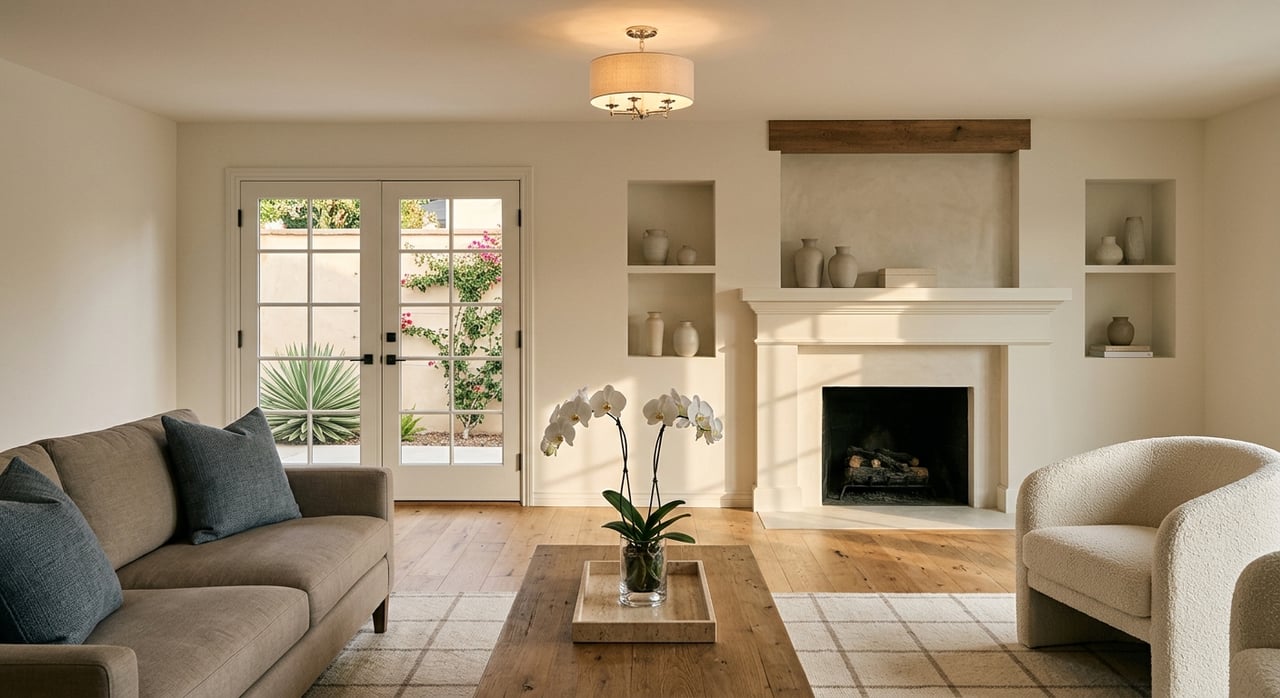
How Thoughtful Home Prep Boosts Whittier Sale Results
April 23, 2026
April 23, 2026
If you are thinking about selling in Whittier, it is easy to wonder whether home prep is really worth the effort. In a market where many homes are older and buyers often decide what to tour based on online photos, the way your home looks before it hits the market can shape both interest and offers. The good news is that thoughtful prep does not have to mean a full remodel. With the right plan, you can focus on the updates that help protect value, improve presentation, and support a stronger launch. Let’s dive in.
Whittier is a long-established, owner-occupied market with many longtime homeowners. According to the U.S. Census Bureau’s Whittier quick facts, the city has an owner-occupied housing rate of 57.9%, a median owner-occupied home value of $822,600, and 15.0% of residents are age 65 and older. That makes thoughtful, manageable seller prep especially relevant for downsizers and long-tenure owners.
It also matters because much of Whittier’s housing stock is older. The City of Whittier planning materials note that most homes were built before 1980, and 63% were built in the 1950s or earlier. When buyers compare homes in this kind of market, visible condition and upkeep can carry just as much weight as size.
Whittier remains a competitive market, but that does not mean buyers ignore presentation. Redfin’s Whittier housing market data reports homes selling in about 39 days, with many receiving multiple offers and some waiving contingencies, while the average home sells around list price. At the same time, the March 2026 median sale price was $870,000, down 2.6% year over year.
Local pricing also shows buyers are still selective. In ZIP code 90601, Realtor.com market data reports a median sale price of $729,000, a 98% sale-to-list ratio, and homes selling an average of 1.66% below asking. In other words, even when demand is healthy, accurate pricing and polished presentation still matter.
For most Whittier sellers, the goal is not to overhaul the home from top to bottom. The smarter strategy is usually to focus on the visible details that help buyers feel confident about the home and help your listing show well online.
That approach lines up with what sellers care about most. The National Association of Realtors 2025 seller profile found that sellers were especially focused on marketing the home, pricing it competitively, and selling within a specific timeframe. Thoughtful prep supports all three.
If you are not sure where to begin, start with the items buyers notice first and agents recommend most often. According to NAR’s 2025 staging research, the most common seller-prep recommendations were:
These are practical steps, not major construction projects. They can make an older home feel more cared for, more spacious, and easier for buyers to understand at a glance.
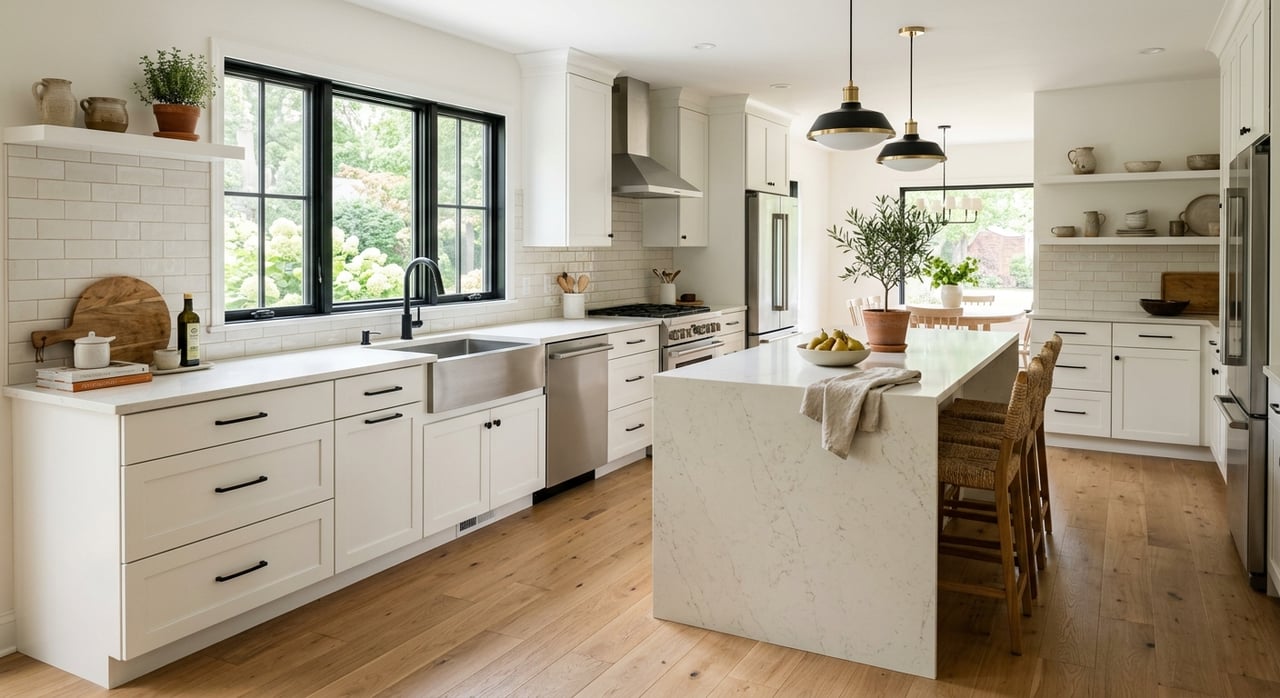
Not every room needs the same level of attention. NAR’s staging data found that the most commonly staged rooms were the living room, primary bedroom, dining room, and kitchen. Those spaces tend to anchor both listing photos and in-person impressions.
If you are prioritizing your time and budget, start here:
The goal is to help buyers quickly understand how the home lives day to day.
Staging is not about making your home look trendy. It is about helping buyers see the home clearly and imagine themselves living there. That can be especially helpful in Whittier, where many homes have unique layouts, older finishes, or decades of personal belongings.
According to NAR’s 2025 staging report, 29% of agents said staging increased the dollar value buyers offered by 1% to 10%, and 49% said staging reduced time on market. The same report found that 83% of buyers’ agents believed staging made it easier for a buyer to picture the property as a future home.
Small issues can create bigger doubts than many sellers expect. A dripping faucet, chipped paint, loose hardware, stained grout, or an aging light fixture may seem minor, but together they can make buyers wonder what else has been deferred.
In a city with older housing stock, this matters even more. Tackling visible maintenance items before listing helps your home feel better cared for and can reduce distractions during showings. In many cases, a focused pre-listing repair list delivers more value than an expensive renovation.
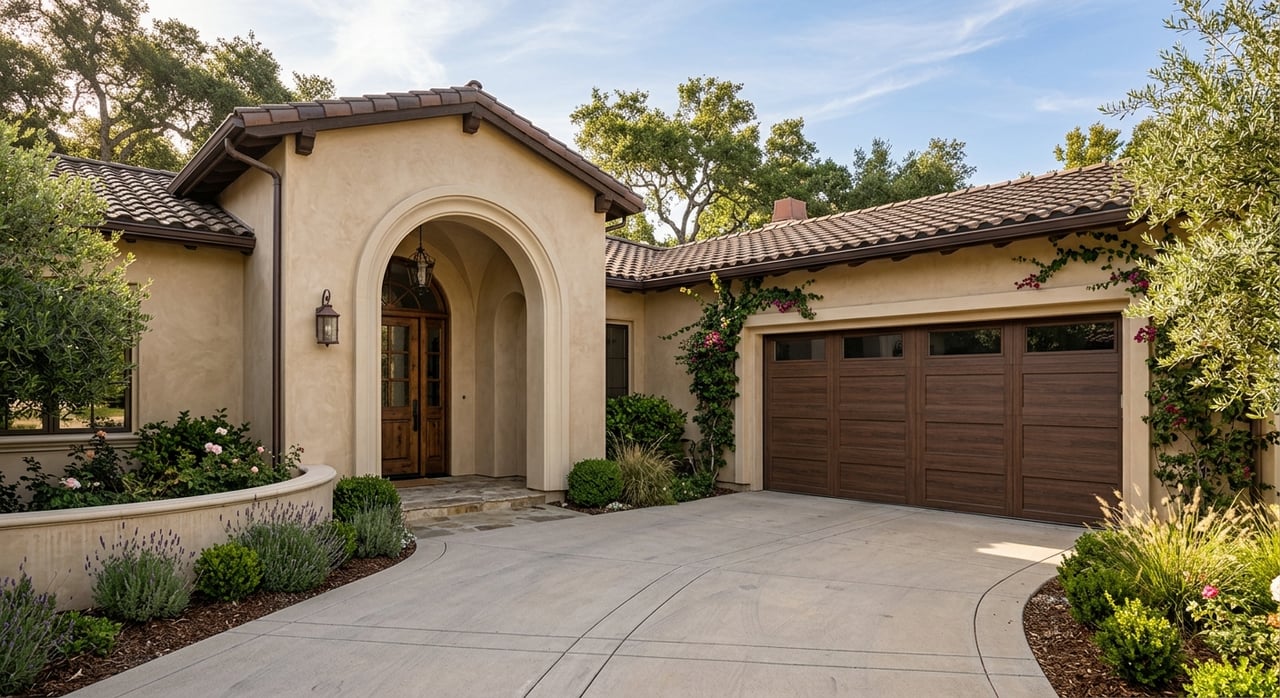
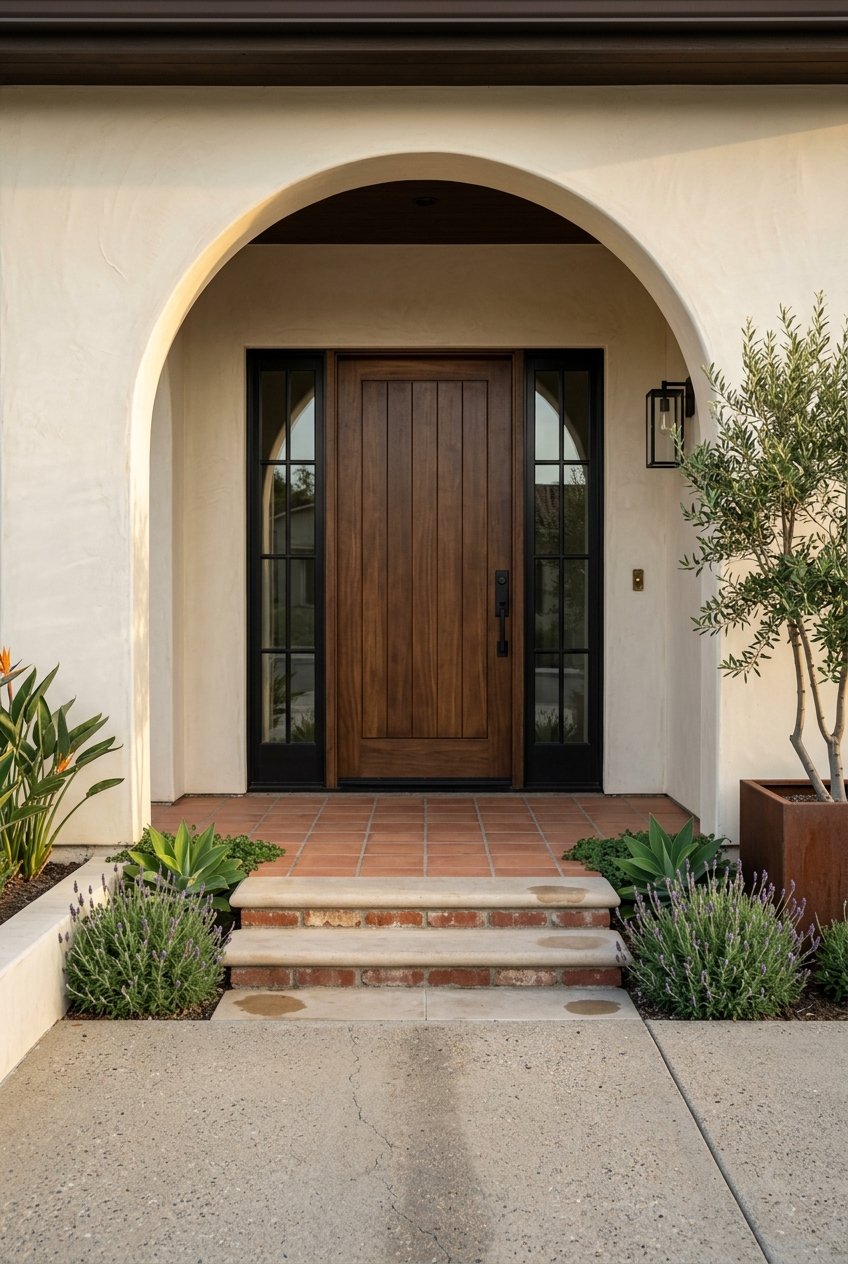
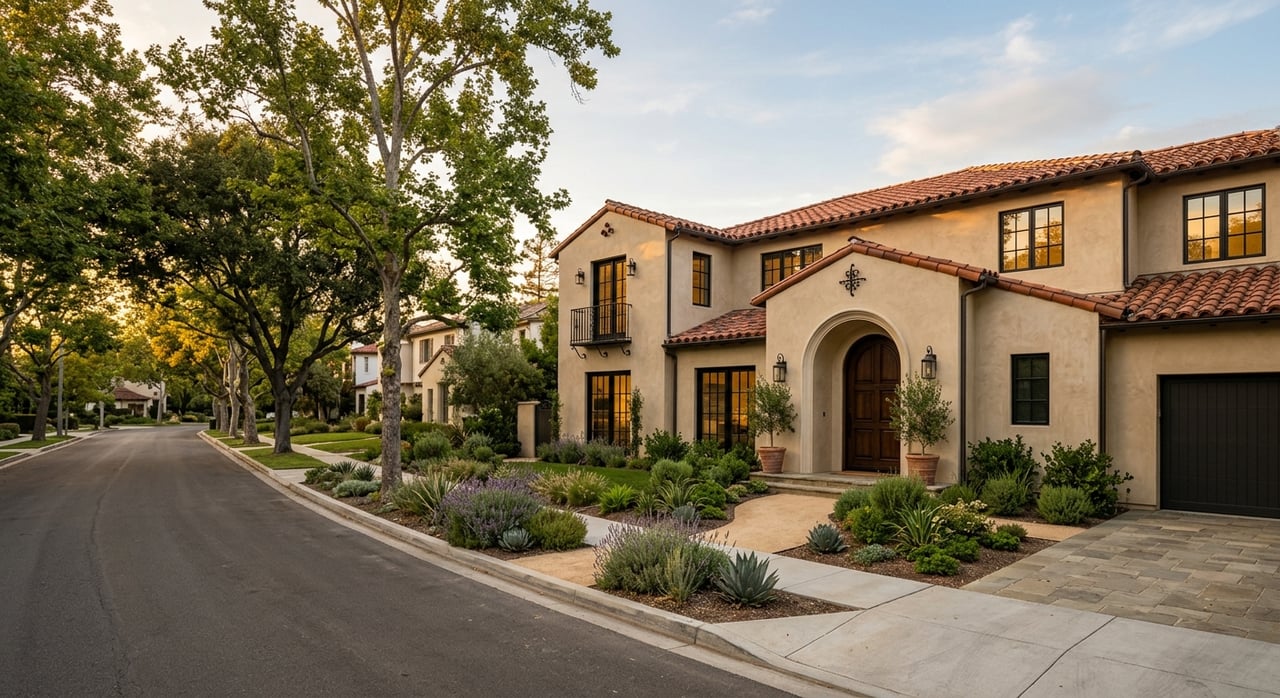
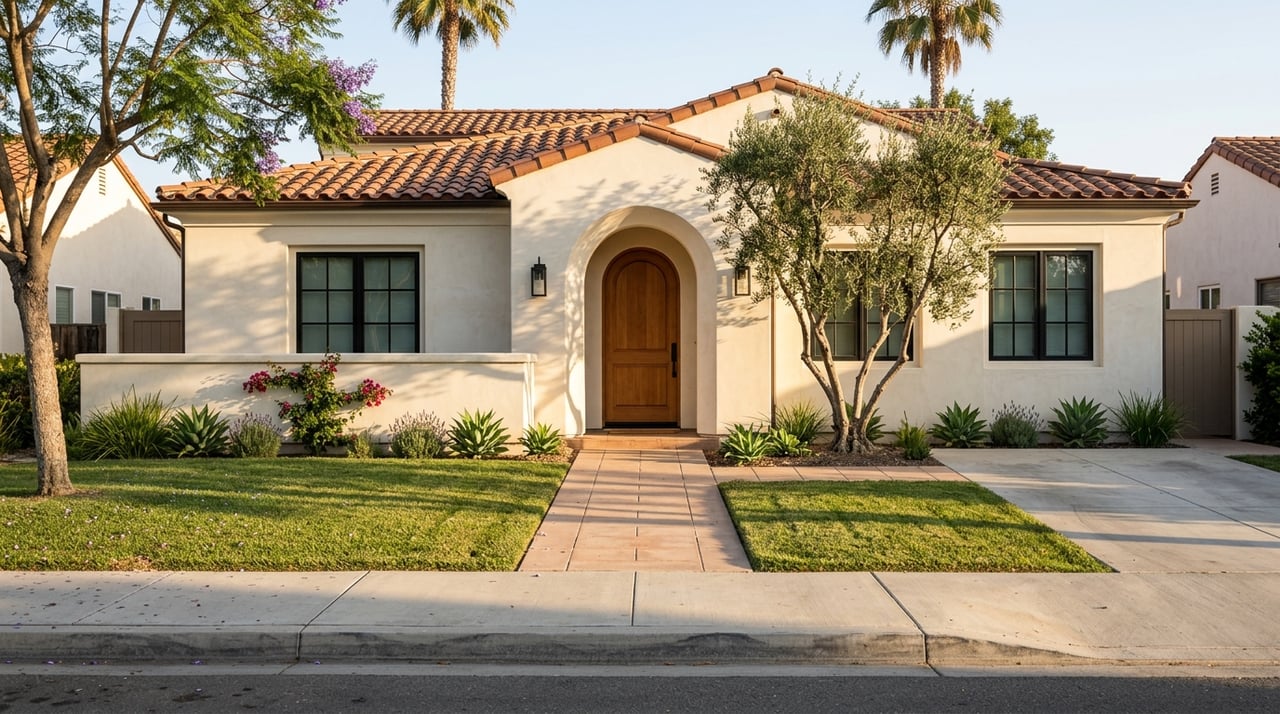
Your exterior sets the tone before a buyer even walks inside. NAR’s staging research found that improving curb appeal was one of the most common recommendations sellers received. That makes sense because buyers often form an opinion before they ever step through the front door.
A few simple improvements can go a long way:
These updates help your listing photos and your in-person showings work together.
One of the biggest mistakes sellers make is launching before the home is truly ready. Once your listing is live, the first impression is already out there. If the home looks half-finished in photos, you may lose momentum that is hard to get back.
That is a big deal because online presentation now drives so much of the search process. NAR reports in its online visibility article that 52% of buyers found the home they purchased online, and 81% rated listing photos as the most useful feature in their search. Nearly half of buyers start online, and the first few days of listing visibility often matter the most.
The right order usually looks like this:
This photo-first process gives your home the best chance to stand out from day one.
When you prep your home, it also helps to think about what buyers are looking for today. NAR notes that buyers respond to features tied to everyday living and long-term value, including energy-efficient upgrades, flexible spaces, smart-home features, and usable outdoor areas.
That does not mean you need to install everything on the list. It means you should highlight what your home already offers. A shaded patio, a bonus room that can flex with changing needs, upgraded windows, or a smart thermostat may be worth emphasizing in both photos and marketing remarks.
If you have lived in your home for many years, getting it ready can feel overwhelming at first. That is especially true when every room seems to hold a project, a memory, or both. A step-by-step approach can make the process much more manageable.
This is where experienced guidance matters. Rather than guessing which projects are worth doing, you can build a prep plan around timing, budget, and likely return in today’s Whittier market. That helps you avoid overspending while still putting your best foot forward.
Some sellers want to make improvements but would rather not pay those costs upfront. If you are listing with Compass, Compass Concierge is designed to front the cost of select home-improvement services, with zero due until closing. Compass says the program may be used for services such as staging, flooring, painting, and more, and it is available to sellers who list with Compass and use Chartwell for escrow in connection with the sale and Concierge project.
For many homeowners, that can bridge the gap between knowing the home would benefit from prep and not wanting to fund everything out of pocket before the sale. It can be a practical option when the right improvements may help support presentation and price.
In Whittier, thoughtful home prep is not about perfection. It is about helping buyers see the home at its best, reducing distractions, and making sure your listing enters the market with a strong first impression. In an area where many homes are older and many sellers have owned for years, that kind of preparation can make a meaningful difference.
If you are considering a move and want a clear, realistic plan for what to do first, Lisa Ancich can help you map out the right prep strategy for your timeline, goals, and home condition.
Stay up to date on the latest real estate trends.
Get assistance in determining the current property value, crafting a competitive offer, writing and negotiating a contract, and much more. Contact me today.
GET IN TOUCH TO LEARN MORE
LISA ANCICH | CA DRE# 01261750
16571 WHITTIER BLVD WHITTIER, CA 90603