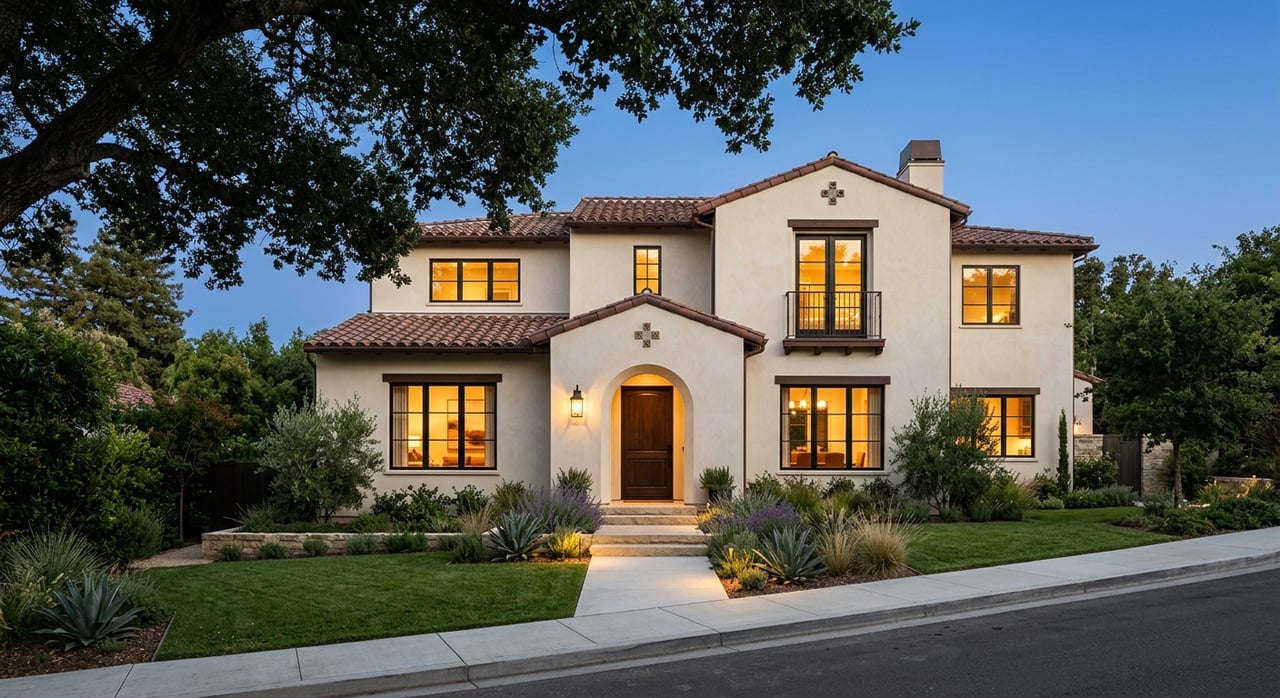
How To Read Brea’s Housing Market As A Move Up Buyer
June 18, 2026
June 18, 2026
If you own a home and hope to move up in Brea, the market can feel tricky fast. You are not just watching home prices. You are also trying to time the sale of your current home, understand how far your equity will go, and compete for a more expensive property in a market that still moves quickly. The good news is that once you know which numbers matter most, the picture gets much clearer. Let’s dive in.
Brea is still a competitive market by most measures. As of May 2026, the median sale price was $1,194,285, homes sold in 29 days on average, and buyers faced about 6 offers per home. Redfin also reported a 102.5% sale-to-list ratio, with 45.2% of homes selling above list price.
That tells you something important as a move-up buyer. Even if the market is not at peak frenzy, well-priced homes are still drawing strong interest. You may have a little more room to think than in the hottest markets, but you still need a plan before the right home hits the market.
Zillow’s May 31, 2026 snapshot adds another layer. It showed 62 homes for sale, 30 new listings, and a median time to pending of 15 days. In plain terms, some homes are moving much faster than the citywide average sale timeline suggests.
One of the best ways to read Brea’s market as a move-up buyer is to think of it as a ladder. Different home types sit on different rungs, and the price jump between them matters.
Redfin’s current city guide shows a clear spread between attached and detached housing. The median sale price for single-family homes was $1,214,383, compared with $899,659 for condo and co-op homes and $840,665 for townhouses. That means the move from an attached home to a detached home can easily mean a price jump of about $300,000 to $375,000 at current medians.
If you currently own a condo or townhome, that gap is one of the first numbers to study. It helps you estimate whether your next move is realistic now, or whether you may need to adjust size, location, or condition expectations.
Brea’s housing stock still leans heavily toward detached ownership. According to the City of Brea’s housing element, the city’s homes were about 56% single-family detached, 9% single-family attached, 30% multifamily, and 6% mobile homes as of 2020.
That matters because detached homes remain the center of Brea’s ownership market. Attached homes are an important stepping stone, but they are a smaller part of the overall mix. For move-up buyers, that often means the next rung up can feel more competitive and more expensive.
The active listing mix points in the same direction. Redfin’s recently sold page noted that last month there were 11 condos, 3 townhouses, and 2 multifamily units for sale in addition to houses. So while attached options do exist, they represent a thinner slice of inventory.
Brea does not behave like one uniform market. Neighborhood-level pricing can shift your move-up strategy in a big way.
Redfin’s city guide shows neighborhood medians ranging from about $872,207 in Downtown Brea to $1,450,000 in Brea Hills. It also shows Olinda Ranch at $1,292,065 and Brea-Olinda at $1,350,000. That spread means your next move may be a manageable step in one area and a much steeper jump in another.
For example, if you are moving up for more space, a different layout, or a detached home, your budget may stretch very differently depending on where you focus. Reading the market well means comparing not just home type, but also neighborhood pricing.
Median price is helpful, but it does not tell the whole story. As a move-up buyer, you need to pair price with speed and competition.
A citywide median around $1.19 million may sound straightforward, but if many homes go pending in about 15 days and nearly half sell above list price, then your shopping range can tighten quickly. A home that looks affordable on day one may end up selling above your comfort zone after multiple offers.
This is why pricing discipline matters. You want to know your true ceiling before you start touring homes, not after you fall in love with one.
Competition in Brea today is less about chaos and more about readiness. Redfin reports that some homes receive multiple offers, some buyers waive contingencies, and hot homes can sell for about 7% above list and go pending in around 14 days.
That does not mean you should approach every listing the same way. It means you should be ready to move quickly when a home is priced well, presented well, and lines up with what many buyers want. In a laddered market like Brea, the best move-up homes tend to attract attention fast.
For you, the practical takeaway is simple. The stronger your preparation, the more choices you will have when timing matters.
Another smart way to read the market is to look at what is likely coming next. In Brea, the near-term pipeline appears weighted more toward attached and multifamily housing than new detached homes.
In the City’s 2024 General Plan Annual Progress Report, Brea reported issuing 1 permit for a single-family residence and 11 permits for ADUs in 2024. The same report listed projects under review that included a 380-unit apartment building, a 120-unit apartment building, a 179-unit townhome development, and a 39-unit permanent supportive housing project.
For move-up buyers, that suggests future supply is more likely to expand townhome, apartment, and other attached options than create a large wave of new detached homes. If your goal is a larger single-family home, it is smart to understand that more supply may not arrive in that segment anytime soon.
Condition matters in Brea, especially if you are trying to stretch into a higher price bracket. The city’s housing element says 77% of owner-occupied units were built before 1989, and 73% of renter-occupied units are over 30 years old.
The same document estimated that 20% of owner-occupied units and 30% of renter-occupied units needed some level of repair in the 2021 survey. For you, that means a move-up purchase may not always be about finding the biggest or nicest-looking home. It may also be about understanding what future repairs or updates could cost.
That is especially relevant if you are comparing a more updated attached home with an older detached home. Sometimes the better move is not just the one with more square footage. It is the one that fits your budget after inspection findings, repair needs, and ongoing upkeep.
For many move-up buyers, the biggest challenge is not just price. It is the sequence.
Because Brea homes can move quickly and the gap between attached and detached homes is significant, the sale of your current home and the purchase of your next one need to work together. If your equity is central to the move, you want to understand your likely sale price, your timing options, and how competitive you may need to be on the purchase side.
This is where market reading becomes personal. The right strategy depends on your current home type, your equity position, your target price point, and how flexible you can be on timing or condition.
If you want a practical framework, focus on these five questions:
When you answer those questions clearly, the market becomes easier to read. You move from guessing to planning.
Brea is still a market where move-up buyers can succeed, but success usually comes from preparation rather than luck. The data points to a city with real competition, a meaningful price jump into detached homes, limited near-term detached supply, and an older housing stock that makes condition a real part of the decision.
If you are thinking about moving up, the smartest first step is to study your current position and your next target at the same time. When you understand both sides of the ladder, you can make a move that feels confident, not rushed.
If you are weighing a move in Brea and want clear, steady guidance on how to position your current home and plan your next purchase, Lisa Ancich can help you map out the right strategy.
Stay up to date on the latest real estate trends.




Get assistance in determining the current property value, crafting a competitive offer, writing and negotiating a contract, and much more. Contact me today.
GET IN TOUCH TO LEARN MORE
LISA ANCICH | CA DRE# 01261750
16571 WHITTIER BLVD WHITTIER, CA 90603